A lake can look like the same place in January as it does in July, but it never quite is. Water levels rise and fall, foliage arrives and disappears, the sun moves from a low skim to a steep glare, and paths go from frozen ruts to ankle-deep mud. All of that changes what is worth photographing. None of the four seasons is a write-off. Each gives you something the others cannot, and knowing what to expect saves a lot of wasted dawns spent standing in the wrong place.
Autumn: mist, colour and the year's best reflections
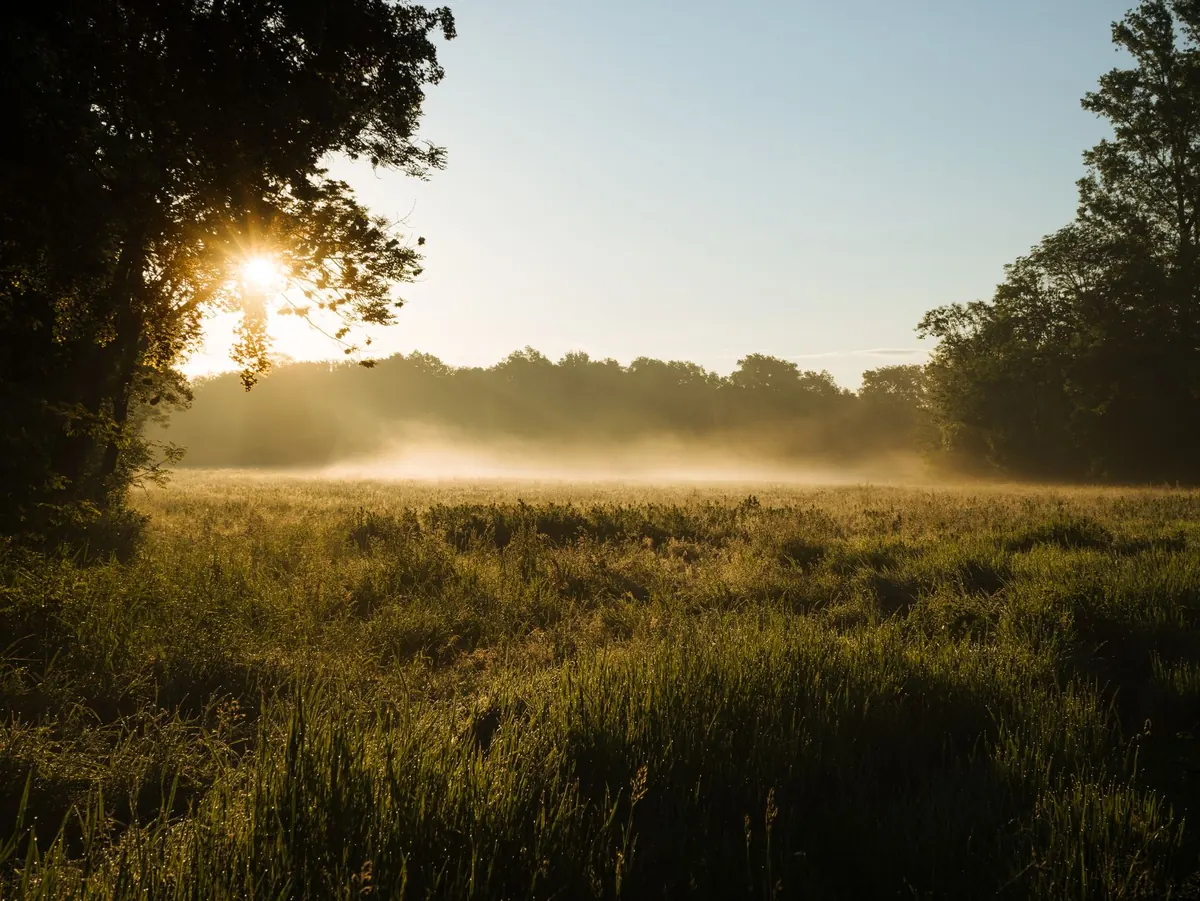
Autumn is the season most lake photographers plan their year around, with good reason. Water holds its temperature as the air cools, so still, clear mornings produce valley mist. Arrive before sunrise — the southern shore of Buttermere, the edge of Derwentwater near Crow Park, the quiet end of Ullswater — and wait rather than shoot immediately. Mist sits in layers, lifts and settles again. The best ten minutes are rarely the first ten.
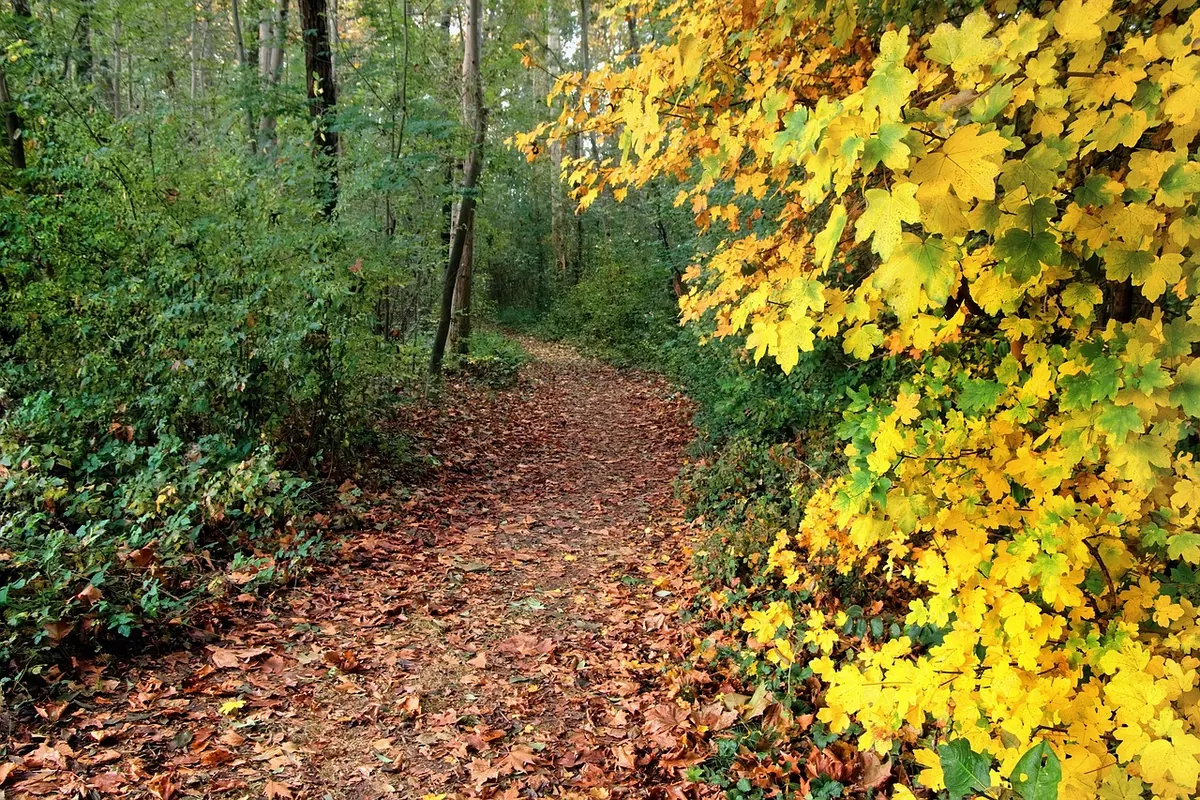
Colour does not peak everywhere at once. Oak and birch in the Lake District and Snowdonia turn through October, while birch and rowan around Scottish lochs can be a fortnight ahead or behind depending on height and shelter. Chasing one perfect week is a good way to miss the season. Photograph the process instead: early golds, bare branches over dark water, leaf litter along the shoreline, frost-blackened ferns.
What to shoot in autumn
- Mist inversions at first light, especially where a valley drains towards the lake
- Reflections on windless mornings — still water doubles the colour
- Jetties and woodland edges, which give one clear subject against a busy bank
- Wet days: dark rock, drips and saturated colour under overcast light
A polarising filter earns its place now. It cuts glare from wet leaves and lets you decide how much reflection to keep — the full mirror for symmetry, or a little less to reveal stones and weed beneath the surface.
Winter: low light, short days and borrowed drama
In midwinter the sun rises after eight and sets before four, which changes the shape of a day. Instead of two short golden hours you get one long one, and the light stays low and raking for hours, so scree, drystone walls and ripples read clearly even at midday.
Frost and snow are worth the early alarm. Frozen margins give foregrounds that simply do not exist in summer: ice needles, leaves trapped in the surface, thin plates pushed onto the shore by a breeze. Snow on the fells rewrites familiar silhouettes — Wast Water beneath a white Wasdale Screes, or Llyn Ogwen under Y Garn.
Winter is also the season of fast weather. A squall crosses the water, the cloud breaks for twenty seconds, then closes again. Work quickly, expose for the brightest part of the sky, and keep a cloth handy for spray on the front element.
Two practical notes. Days are short, paths above the valley floor can be icy, and some mountain passes close in snow, so check conditions before you commit and tell someone your route. Take a headtorch even on a short walk; it is easy to lose half an hour to a good sky.
Spring: high water, fresh green and quick-changing weather
Spring resets the palette. New leaves throw a soft, luminous green that lifts an otherwise grey scene, and after snowmelt and rain the lakes are often full, pushing water into reeds, roots and stone walls. Compositions that work in March are under water by August.
Unsettled weather is an advantage here. April showers bring fast-moving cloud, sudden rainbows, and the mix of hard light and dark sky that makes a lake look three-dimensional. Set your composition, level the tripod, and wait for the gap rather than chasing it.
Respect nesting birds and lambing. Some shorelines and islands carry seasonal restrictions, so read the signs, keep your distance from nests and livestock, and use a longer lens instead of walking closer.
Summer: long days, high sun and a different water level
Midsummer sounds ideal and can be awkward. The sun is up before five and out until after nine, but from mid-morning to late afternoon it is high and harsh, flattening reflections and bleaching colour from the fells. Shoot early or late, then use the middle of the day for scouting: walk the shore, note two or three compositions, come back when the light is better.
Summer's real gift is calm. Settled evenings give glassy water, slow drifting cloud and a blue hour long enough to work in properly. Alpenglow on a fell above a still loch at ten at night is a photograph no other season offers.
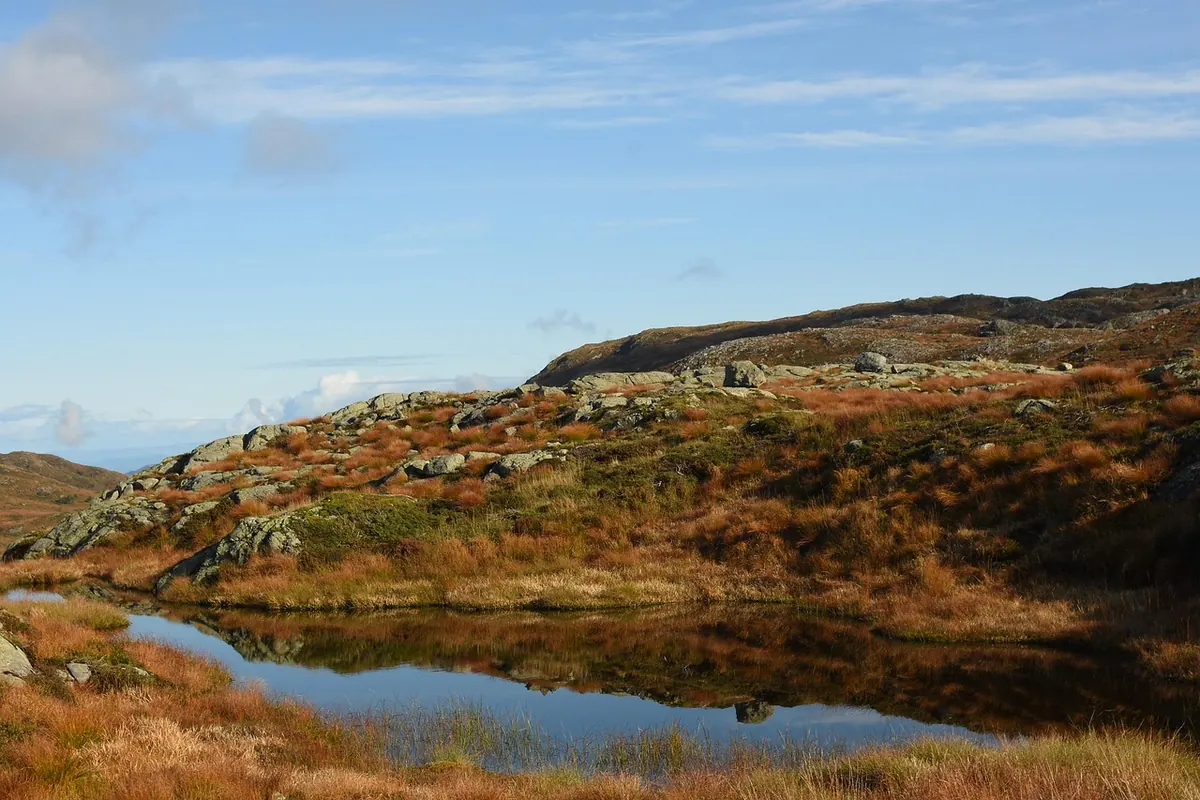
Dry spells drop water levels, exposing gravel, mud and rock patterns that stay submerged all year — useful foregrounds on reservoirs such as Ladybower, or along the drawn-down edges of upland lakes. Test the ground before you stand on it, because soft silt and weed are slippery, and if you see an algal bloom keep people and dogs out of the water and follow any local notices.
Kit and comfort through the seasons
Most of what changes between seasons is what you wear and what you carry. A short list covers the whole year:
- Waterproof jacket and trousers, plus boots with real grip — wet rock and frozen boardwalks are the two hazards that catch people out
- Microspikes for icy paths between December and March
- Sturdy tripod, remote release or two-second timer, and a cloth for the front element
- Polariser and a three- or six-stop ND filter for water and moving cloud
- Two spare batteries kept in an inside pocket; cold drains them faster than you expect
- Headtorch, flask and a small shelter if you plan to be out above the valley
Planning your lake year
Pick a handful of lakes you can reach before sunrise and get to know them properly. Learn where the light falls in October, where mist collects in January, which shore floods after spring rain, and where the water retreats in August. That local knowledge beats a long drive to a famous viewpoint nearly every time.
Keep a simple note of what worked: date, time, weather, and where you stood. After a year you will have your own seasonal guide, written for the places you actually shoot, and you will know which week to keep free. Turn up early, dress for the worst hour rather than the best, and stay ten minutes longer than feels sensible. That is usually when the lake gives you something.
Photo: Roemaf / Pixabay